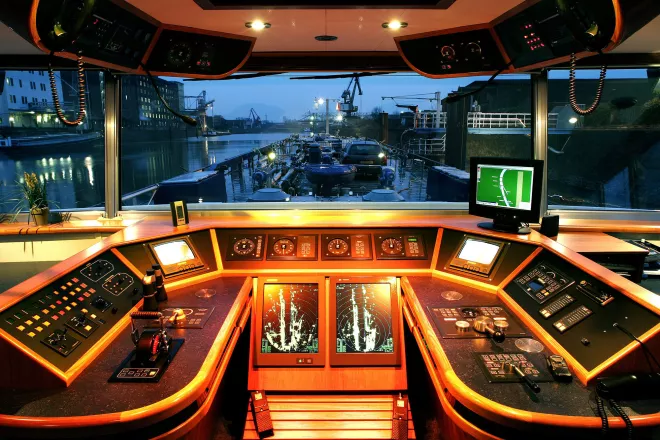

On 1 December 2026, a further extension of mandatory electronic reporting will enter into force. This extension will apply to vessels longer than 86 metres with one or more cargo holds. It will also apply to vessels using an energy source other than diesel or liquefied natural gas (LNG) to power their propulsion (or auxiliary) systems (i.e. methanol, gaseous hydrogen and accumulators with a combined capacity greater than 500 kWh). Day-trip vessels may be granted an exemption from mandatory electronic reporting by the competent authorities.

The CCNR is keen to draw the attention of the profession to this extension of mandatory electronic reporting at an early stage. By 30 November 2026, all vessels concerned must have taken all the measures necessary to transmit messages electronically. With this in mind, the CCNR recommends that a software package for electronic reporting should be chosen in the very near future, and all formalities required by the software supplier completed, for example setting up an account with the Dutch authority (RWS). The aim is to avoid congestion around the deadline.
Further details are available on the CCNR website pages relating to electronic reporting:
These pages have been updated and include all reference documents and Frequently Asked Questions (FAQ). The FAQ are available in four languages (French, German, Dutch and English) and provide guidance to the profession.
The CCNR has also developed a questionnaire which is available via https://ec.europa.eu/eusurvey/runner/obligation-d-annonce-rhin-2026. This questionnaire enables boatmasters to determine whether their vessel is subject to mandatory electronic reporting and/or the extension that enters into force on 1 December 2026.
Since 2010, mandatory electronic reporting has been gradually introduced by the CCNR, with regular amendments to the Police regulations for the navigation of the Rhine (RPR). Article 12.01 of the RPR sets out the vessels to which it applies, the data to be reported, the means that may or must be used for reporting (e.g. radiotelephony, electronic reporting, etc.) and when or where the report should be sent. Electronic reporting facilitates the exchange of data between vessels and sector traffic centres. It also contributes to the safety of navigation and allows more efficient management of traffic and incidents.
Other news from the CCNR

Annual report on inland navigation in Europe: 2025 Edition
Continuing its long and fruitful collaboration with the European Commission, the Central Commission for the Navigation of the Rhine (CCNR) is delighted to present its 2025 Market Observation annual report.
Read the press release
Plenary session spring 2025
On 5 June 2025, the Central Commission for the Navigation of the Rhine (CCNR) held its spring plenary session in Strasbourg.
Read the press release
The CCNR publishes its Market Insight 2025
The new report on European inland navigation, drafted by the Central Commission for the Navigation of the Rhine (CCNR) in partnership with the European Commission, has just been published.
Read the press release