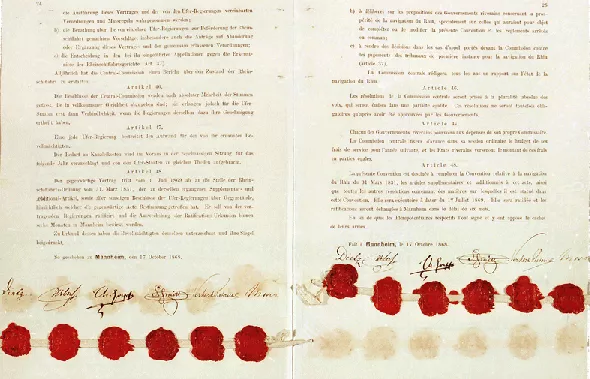
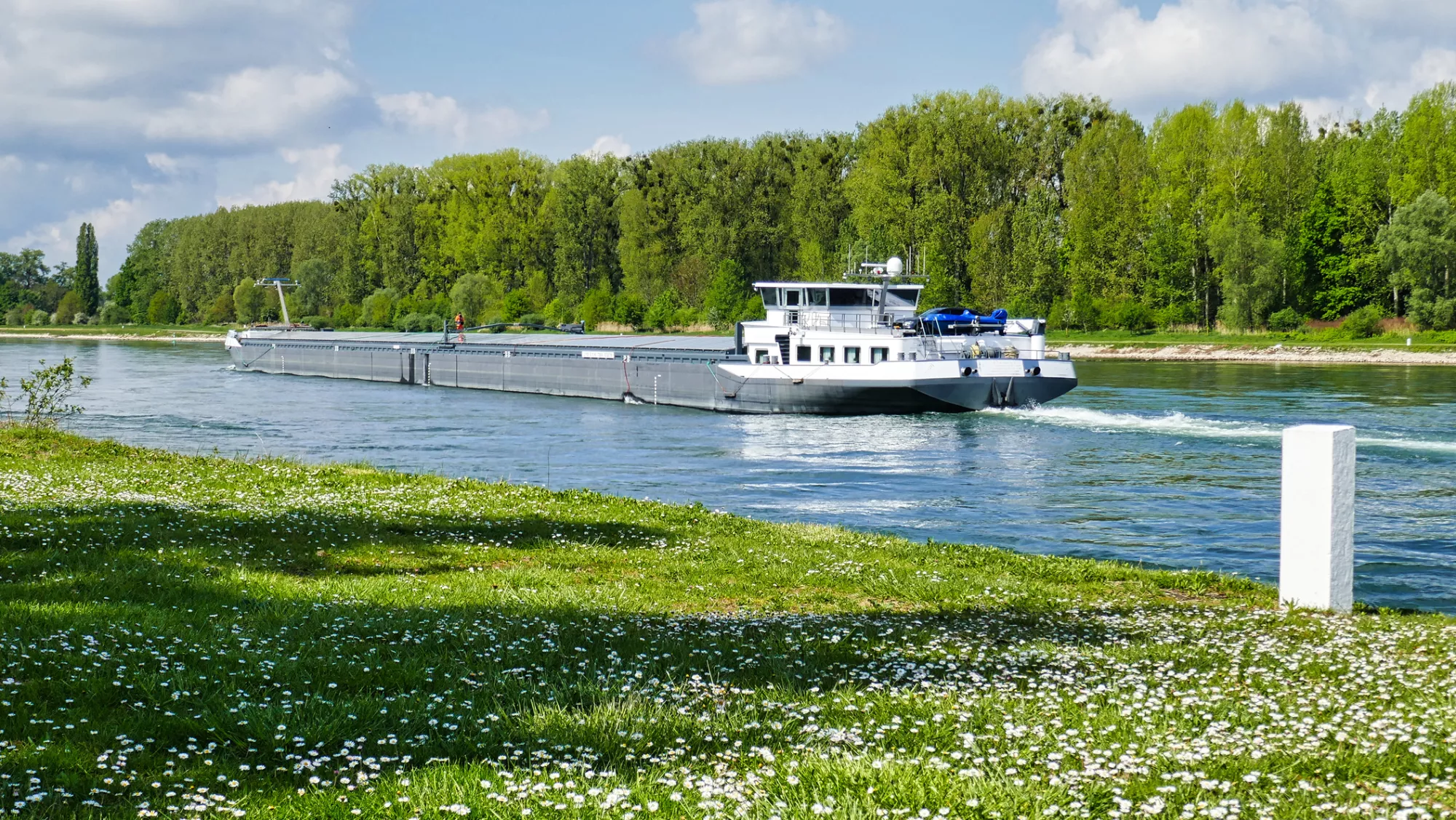

The role of the Central Commission for the Navigation of the Rhine (CCNR) is to implement the key principles established for the Rhine: freedom of navigation, a single legal framework and equality of treatment. In addition, and under the provisions of the Mannheim Act, the Central Commission is tasked with making every effort to promote Rhine navigation and to ensure a high level of safety. The principles set out in the Mannheim Act

 remain highly relevant today and form the basis of the sustainable development of Rhine navigation. Nowadays, the many activities undertaken by the CCNR also reach beyond the Rhine, involving all European navigable waterways.
Throughout the over 200 years since it was founded, the CCNR has achieved these objectives by:
- regulating navigation on the Rhine;
- maintaining good navigability conditions on the Rhine;
- promoting environmentally friendly inland navigation;
- developing inland navigation law;
- coordinating national provisions relating to social protection for boatmen;
- dealing with legal, social and economic issues.
Currently, the activities of the CCNR are primarily focussed on the following areas:




Digitalisation
- River information services (RIS)
- Automated navigation and remote operation
- Electronic versions of on-board documents


Economic issues
The CCNR also provides the Secretariat for the CESNI (European Committee for drawing up Standards in the field of Inland Navigation), the CDNI (Convention on the collection, deposit and reception of waste produced during navigation on the Rhine and inland waterways) and the EuRIS platform (European River Information Services).
Under the provisions of the Mannheim Act, the CCNR can be called upon to deal with all matters relating to the prosperity of Rhine navigation. It thus acts as a centre for reflection, discussion and proposals on a very wide range of topics related to inland navigation: innovation in inland navigation, the development of safety regulations, the impact of climate change on inland navigation, crew training, the attractiveness of the sector, Rhine ports, etc.
Further reading
Documentation